.png)
San Jose Moves Forward with New Housing Policies to Address Shortage

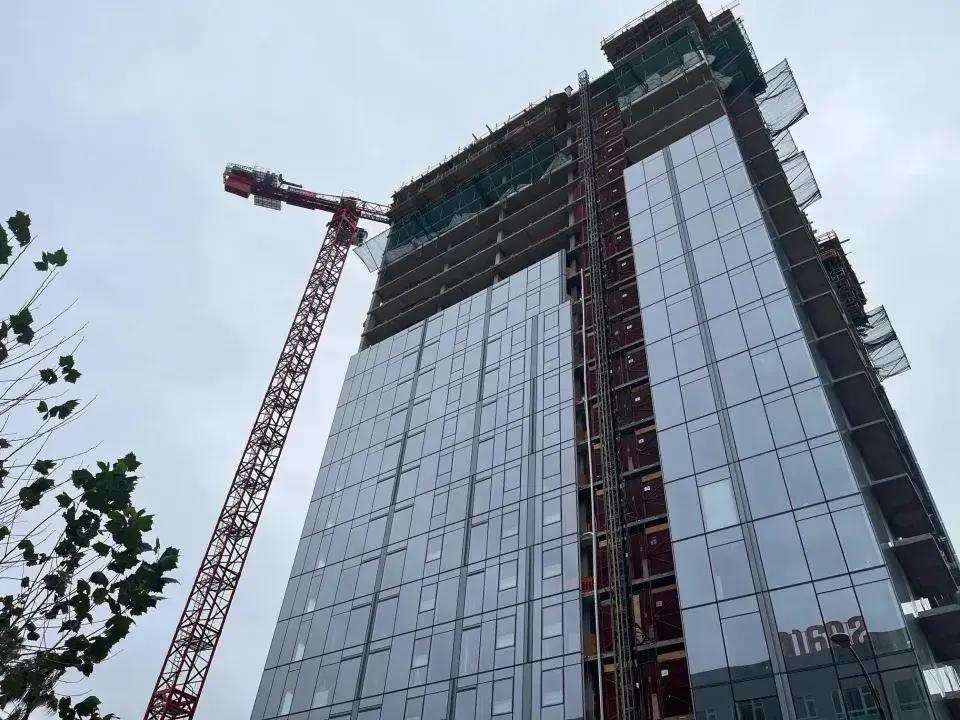
San Jose is taking new steps to tackle its ongoing housing shortage by approving several housing initiatives and development incentives aimed at jump-starting thousands of residential units that have been stalled in recent years. City leaders hope these changes will make it easier and more financially feasible for developers to build housing, particularly in downtown areas where construction has slowed.
Although the city has approved tens of thousands of housing units since 2020, fewer than one-third of those projects have actually begun construction. This puts San Jose behind the state’s requirement to plan for 62,200 new housing units by 2031, making it necessary for the city to introduce new strategies to encourage development.
One major factor slowing construction has been the high cost of building in the Bay Area. Research from the RAND Corporation found that the cost of developing housing in the region is significantly higher than in many other major U.S. cities. In some cases, the average development cost per housing unit is more than three times higher than in cities in Texas. Rising interest rates, expensive construction materials, and financial uncertainty have also made it difficult for many projects to move forward.
To address these challenges, San Jose is expanding its incentive programs for developers. One of the most notable changes focuses on converting unused office buildings into residential housing. Since the pandemic, many office spaces downtown have remained vacant, and city officials see these buildings as an opportunity to create new homes more quickly and at a lower cost than building entirely new high-rise projects.
Under the updated program, developers who convert offices into residential units may qualify for significant financial incentives. These include a full reduction of building and construction taxes, a 50 percent reduction in park impact fees for the first 500 housing units created, and additional fee reductions for later projects. The historic Bank of Italy Building is one example of a property that could potentially benefit from these incentives.
The city is also expanding its multifamily housing incentive program. Originally designed to support 1,800 units, the program will now cover up to 3,600 units and includes a 50 percent reduction in construction taxes. Several developers have already used the program to move projects forward, including developments by Hanover Company, which has already broken ground on hundreds of new apartment units in San Jose and has additional projects in the pipeline.
In addition to financial incentives, the city has made adjustments to its inclusionary housing policies. These policies require developers to include a portion of affordable housing units within new projects. Under the revised structure, developers must offer 15 percent of units at 60 to 110 percent of the area’s median income. City officials believe this change will make projects more financially viable while still providing housing opportunities for middle-income residents.
City leaders believe increasing housing supply is one of the most effective ways to address affordability challenges. Other cities such as Austin, Atlanta, and Phoenix have significantly increased housing construction in recent years and have seen rents decline as supply grows.
By introducing these new incentives and policies, San Jose hopes to accelerate housing construction, increase inventory, and create a more vibrant downtown community. If successful, these efforts could bring thousands of new homes to the market and help improve housing availability for residents across the city.
For buyers, investors, and homeowners, these policy changes could shape the future of the local real estate market and create new opportunities in the coming years.



Comments